
Pulled Your Back Raking Leaves? Tips for Relief and How Chiropractic Care May Help
Written by Dr. Melanie Hudson, ND
Edited for Hudson Integrative Healthcare
You head outside to tidy the yard, rake a few piles of leaves, and get everything bagged before the next rain. A little later, you straighten up and feel that familiar catch in your lower back.
By evening, getting off the couch feels harder than the yard work did.
Raking can be more physically demanding than it looks. Repeated pulling, reaching, bending, and lifting can add up—especially when you tackle the entire yard in one afternoon.
Here’s how to approach fall cleanup more comfortably, what to do if your back becomes sore, and when a chiropractic assessment may be helpful.
Why Can Raking Leaves Hurt Your Back?
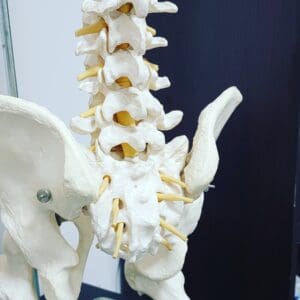
Fall cleanup involves repeated movements and lifting that can fatigue your muscles. Reaching for large piles, repeatedly twisting in one direction, and carrying heavy bags can make the task more demanding. Occupational Health Clinics for Ontario Workers recommends smaller piles, changes in position, and regular breaks to help manage these demands.[1]
A “pulled back” is an everyday description rather than a specific diagnosis. A muscle strain is one possible cause, but back pain can involve other structures, and the exact source is not always clear.[2]
An assessment can help clarify what is happening, particularly if pain is limiting your usual activities.
How to Make Raking Easier on Your Back

A few practical changes can help you manage the workload.[1]
- Choose a suitable rake. Look for a lightweight rake with a handle long enough to let you work comfortably upright.
- Keep piles within easy reach. Move closer instead of repeatedly stretching your arms toward distant leaves.
- Step to change direction. Reposition your feet as you work rather than repeatedly twisting from one spot.
- Alternate your stance. Switch which foot is forward to vary your working position.
- Make smaller piles and lighter bags. Test the weight before lifting and ask for help with heavier loads.
- Break up the job. Take regular pauses or alternate raking with a different task.
You do not have to finish the whole yard in one session. Planning a manageable amount of work is part of looking after your back.
Already Sore? Start with Gentle Activity
Many episodes of back pain improve within a few weeks. If your back becomes sore after raking, pause the aggravating task and continue comfortable daily movement, such as short walks. Prolonged bed rest is generally discouraged.[2]
A wrapped heat pack may help stiffness or muscle spasm; a wrapped cold pack may offer temporary pain relief. Protect your skin and choose whichever feels helpful. Avoid forcing stretches that worsen your pain.[2]
As symptoms settle, gradually build back toward your usual activities.
How Can a Chiropractor Help?
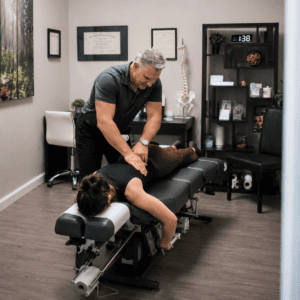
A chiropractic visit provides an opportunity to discuss how the pain started, assess your movement, and determine whether conservative care is appropriate or further medical assessment is needed.
Depending on your findings and preferences, a care plan may include:
- Advice on modifying yard work and everyday activities.
- Individualized exercises and a gradual return to activity.
- Hands-on treatment, such as joint mobilization, spinal manipulation, or soft-tissue techniques, when appropriate.
Clinical guidance supports considering manual therapy for low back pain as part of a treatment plan that includes exercise. Treatment should support your ability to move and function, with progress reviewed along the way.[3]
When Should You Get Your Back Checked?
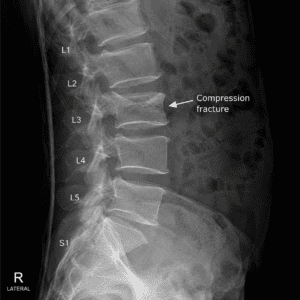
Arrange an assessment if pain is interfering with walking, sleep, work, or other daily activities, or if it is not improving with home care.[2]
Seek urgent medical care for severe pain that starts suddenly or worsens quickly, or back pain accompanied by fever, chills, or feeling generally unwell.
Go to an emergency department immediately for new difficulty passing urine, loss of bladder or bowel control, numbness around the genitals or anus, or new weakness or numbness affecting both legs. Back pain following a serious accident also requires emergency assessment.[2]
Chiropractic Care in Stoney Creek
If back pain after fall cleanup is making everyday movement difficult, our chiropractic team at Hudson Integrative Healthcare can assess your symptoms and discuss an appropriate care plan.
Hudson Integrative Healthcare
7 King Street East, Stoney Creek, Ontario
Phone: 905-662-0045
Website: hihealthcare.ca
Educational disclaimer: This article provides general health information and does not replace an individualized assessment, diagnosis, or treatment plan. Seek medical attention for severe, worsening, or concerning symptoms
BOOK ONLINE
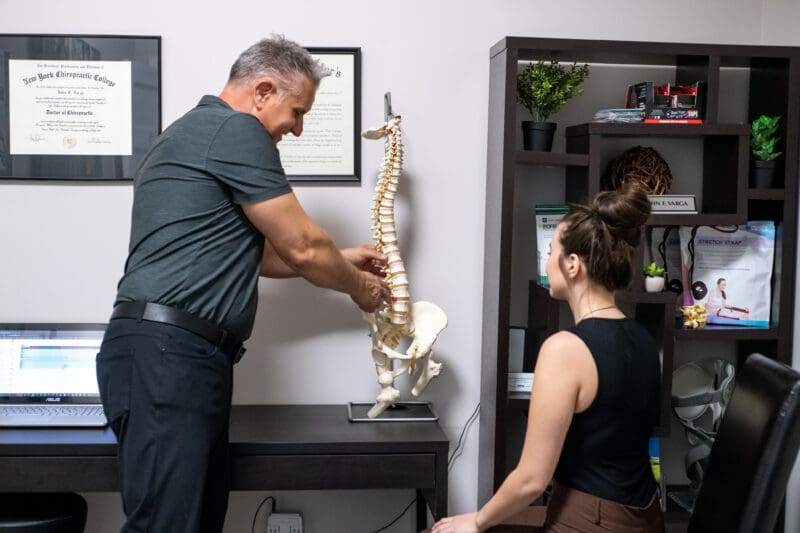
Meet Dr. John Varga, our chiropractor at Hudson Integrative Healthcare, for an individualized assessment and care plan to help you manage back pain and return to the activities you enjoy.
You May Also Enjoy Our Other Related Blogs
- What Can Osteopathy Help With? 10 Common Reasons People See an Osteopathic Manual Practitioner
- Moving Beyond Pain: How Our Integrative Team Treats Chronic Pain and Tension Naturally
References
- Occupational Health Clinics for Ontario Workers. Ergonomics of Fall Yard/Garden Chores: Preparation for Winter.
- NHS. Back pain.
- National Institute for Health and Care Excellence. Low back pain and sciatica in over 16s: assessment and management. Recommendations.