
Gestational Diabetes: How Can a Naturopathic Doctor Support You During Pregnancy?
Being diagnosed with gestational diabetes (GDM) can feel overwhelming — particularly when you’re already navigating all of the changes that come with pregnancy.
You may suddenly find yourself checking blood sugar levels, thinking much more carefully about what and when you eat, and wondering what the diagnosis means for you and your baby.
The good news is that gestational diabetes can often be managed very effectively. Nutrition, physical activity and blood sugar monitoring are important parts of treatment, and a naturopathic doctor can be one member of your healthcare team helping you navigate these changes.
Become a Patient
What Is Gestational Diabetes?

Gestational diabetes is diabetes that is first diagnosed during pregnancy.
During pregnancy, hormones produced by the placenta naturally make the body more resistant to insulin. This helps ensure that enough glucose remains available to support your growing baby.
Normally, the pancreas compensates by producing more insulin. In gestational diabetes, the body isn’t able to compensate sufficiently and blood glucose levels become higher than recommended.
Gestational diabetes can occur even in someone who has never had blood sugar concerns before pregnancy.
Why Does Gestational Diabetes Matter?
Maintaining healthy blood sugar levels during pregnancy is important for both maternal and fetal health.
When gestational diabetes isn’t adequately controlled, it can increase the risk of complications including:
- A larger-than-expected baby
- Newborn low blood sugar after delivery
- Shoulder dystocia and birth complications
- Caesarean delivery
- High blood pressure and preeclampsia
- An increased future risk of type 2 diabetes for the mother
The important part to remember is that treating gestational diabetes reduces pregnancy-related risks.
A diagnosis isn’t simply something to worry about — it’s information that allows your healthcare team to intervene and support healthier blood sugar levels throughout the remainder of your pregnancy.
Who Is More Likely to Develop Gestational Diabetes?
Gestational diabetes can occur without obvious risk factors, which is one reason routine screening during pregnancy is important.
Some factors are associated with a higher risk, including:
- Having had gestational diabetes during a previous pregnancy
- Polycystic ovary syndrome (PCOS)
- Prediabetes or insulin resistance before pregnancy
- A family history of type 2 diabetes
- Being 35 years of age or older
- Having previously delivered a baby weighing more than 4 kg
- Having a higher pre-pregnancy BMI
- Certain ethnic backgrounds associated with a higher prevalence of type 2 diabetes
If you have risk factors for type 2 diabetes, your healthcare provider may recommend additional screening earlier in pregnancy.

When Are You Tested for Gestational Diabetes?
In Canada, pregnant women who do not have known pre-existing diabetes are generally screened for gestational diabetes between 24 and 28 weeks of pregnancy.
For women at higher risk of previously undiagnosed type 2 diabetes, earlier screening may also be recommended.
It’s important to distinguish between screening for gestational diabetes and looking at other markers that may provide information about your overall metabolic or nutritional health.
A naturopathic doctor may recommend additional bloodwork depending on your individual health history, symptoms and pregnancy — but additional testing does not replace standard gestational diabetes screening.
How Is Gestational Diabetes Treated?
The first-line treatment for gestational diabetes is typically nutrition and physical activity, along with regular blood glucose monitoring.
For some women, these changes are enough to keep blood sugar within target ranges.
Others will require medication such as insulin or, in appropriate circumstances, metformin. Needing medication does not mean that you have failed at managing your gestational diabetes. Pregnancy hormones and individual insulin requirements vary significantly from person to person.
The goal is healthy blood sugar — not achieving it in one particular way.
Where Does Naturopathic Medicine Fit In?
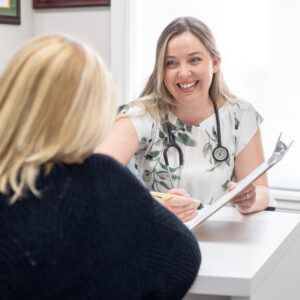
Naturopathic care can complement the medical management you’re already receiving from your family doctor, midwife, obstetrician, endocrinologist or diabetes team.
Rather than focusing on a single supplement or trying to replace conventional treatment, naturopathic care can help address several of the lifestyle and nutritional factors involved in healthy glucose regulation.
1. Nutrition That Supports Blood Sugar — and Pregnancy
One of the first questions after a GDM diagnosis is often:
“What am I supposed to eat now?”
Gestational diabetes does not mean eliminating all carbohydrates.
Carbohydrates provide important nutrients and energy during pregnancy. Instead, we can look at the amount, type, timing and combination of carbohydrates throughout the day.
Depending on the individual, nutrition strategies may include:
- Pairing carbohydrates with protein, healthy fats and fibre
- Choosing higher-fibre, less-refined carbohydrate sources more often
- Spreading carbohydrate intake throughout the day
- Paying attention to breakfast, when some women notice greater glucose sensitivity
- Finding snacks that provide adequate nutrition without creating large glucose spikes
- Making sure dietary changes still provide enough calories and nutrients to support pregnancy
The goal should be a sustainable way of eating that supports both blood glucose management and adequate pregnancy nutrition — not an unnecessarily restrictive diet.
2. Physical Activity
Physical activity can improve insulin sensitivity and help lower blood glucose.
Even relatively simple movement, such as walking after meals, may be helpful for some women when it is safe and appropriate for their pregnancy.
Exercise recommendations during pregnancy should always take your individual pregnancy, activity level and any obstetrical restrictions into consideration.
3. Reviewing Nutritional Status and Supplements
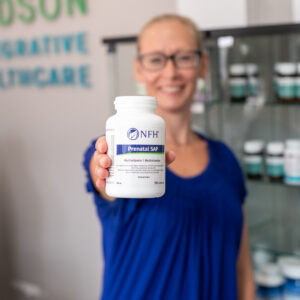
Pregnancy already increases nutritional demands, and a diagnosis of gestational diabetes can lead many women to wonder whether supplements could help.
There is research investigating nutrients including vitamin D and omega-3 fatty acids in women with gestational diabetes, with some studies showing improvements in certain markers of glucose metabolism.
However, supplements shouldn’t be viewed as a replacement for nutrition, glucose monitoring or medication when medication is required.
Supplement recommendations during pregnancy should also be individualized. More isn’t necessarily better — particularly with nutrients such as vitamin D, where higher therapeutic doses should be used thoughtfully and monitoring may be appropriate.
A naturopathic doctor can review your prenatal vitamin, diet, existing supplements and relevant laboratory results to determine whether additional supplementation makes sense for you.
4. Helping You Understand Your Blood Sugar Patterns
Once you’re checking your blood glucose regularly, the numbers can provide useful information.
Instead of simply looking at whether a reading is “good” or “bad,” we can look for patterns:
- Does breakfast consistently produce your highest reading?
- Do certain carbohydrate sources affect you differently than others?
- Does walking after dinner make a noticeable difference?
- Are your fasting numbers more challenging than your post-meal numbers?
Understanding those patterns can make nutrition and lifestyle recommendations much more individualized.
Your medical team will determine your glucose targets and whether medication is necessary. Naturopathic care can work alongside that plan to help you understand and implement the day-to-day lifestyle pieces.
Can Gestational Diabetes Be Prevented?
Not every case of gestational diabetes can be prevented.
However, for women at increased risk, healthy eating, regular physical activity and avoiding excessive gestational weight gain may help reduce the likelihood of developing GDM.
This is also where preconception care can be helpful.
If you’ve previously had gestational diabetes, have PCOS, insulin resistance, prediabetes or other metabolic risk factors, discussing these before your next pregnancy provides an opportunity to work on modifiable risk factors before pregnancy-related insulin resistance increases.
 What Happens After Pregnancy?
Gestational diabetes usually resolves after delivery — but that shouldn’t be the end of the conversation about blood sugar.
Women who have experienced GDM have a higher risk of developing type 2 diabetes later in life and of developing gestational diabetes again in a future pregnancy.
Canadian guidelines recommend postpartum diabetes screening with a 75 g oral glucose tolerance test between 6 weeks and 6 months after delivery, along with continued screening over time.
This makes the postpartum period an important opportunity to continue supporting nutrition, movement, metabolic health and healthy lifestyle habits — even once pregnancy is over.
A Team Approach to Gestational Diabetes
Gestational diabetes is one of the situations where collaborative healthcare is particularly important.
Your obstetrical and diabetes care team should continue to oversee your diagnosis, blood glucose targets, fetal monitoring and medication when required.
A naturopathic doctor can work alongside that care to provide additional support with nutrition, physical activity, appropriate supplementation, blood sugar patterns and longer-term metabolic health.
If you’ve recently been diagnosed with gestational diabetes — or you’ve had GDM in a previous pregnancy and are preparing for another — individualized naturopathic care can help you understand your risk factors and build a practical plan for supporting both you and your pregnancy.
Book Online
Looking for Naturopathic Support During Pregnancy?
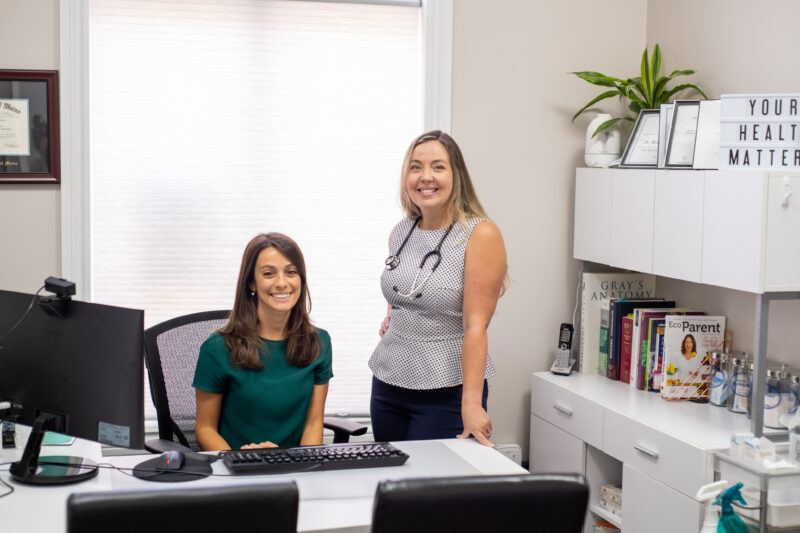
Our naturopathic doctors at Hudson Integrative Healthcare provide individualized support throughout preconception, pregnancy and postpartum, including care for women navigating gestational diabetes and blood sugar concerns during pregnancy.
Appointments are available in person at our clinic in downtown Stoney Creek or Ontario-wide through telemedicine by secure phone or video appointment.
Hudson Integrative Healthcare
7 King St. East, Unit #1
Stoney Creek, ON L8G 1J8
Ready to get started? Book an appointment with one of our naturopathic doctors today.