
Proactive Health Care: Protecting Your Health Long Before a Hospital Visit
Written by Dr. Melanie Hudson, ND
Edited for Hudson Integrative Healthcare

An overnight visit to the hospital with my young son recently gave me time to reflect on why I do the work I do.
We were there because a respiratory illness had worsened during the night. Around us were other people and families facing their own health concerns. I could not know their stories simply by looking at them. But being there reminded me how quickly health can become our greatest priority—and how valuable it is to have support before a crisis develops.
Hospitals provide essential care. Some illnesses and injuries happen suddenly, even when we have taken excellent care of ourselves. Others develop against a background of risks that may have been present for years.
In my naturopathic practice, one of my central goals is to help patients understand their health concerns, identify what they can influence and create a practical plan for the years ahead.
You do not need to wait until you feel seriously unwell to start caring for your future health.
What brings people into hospital?
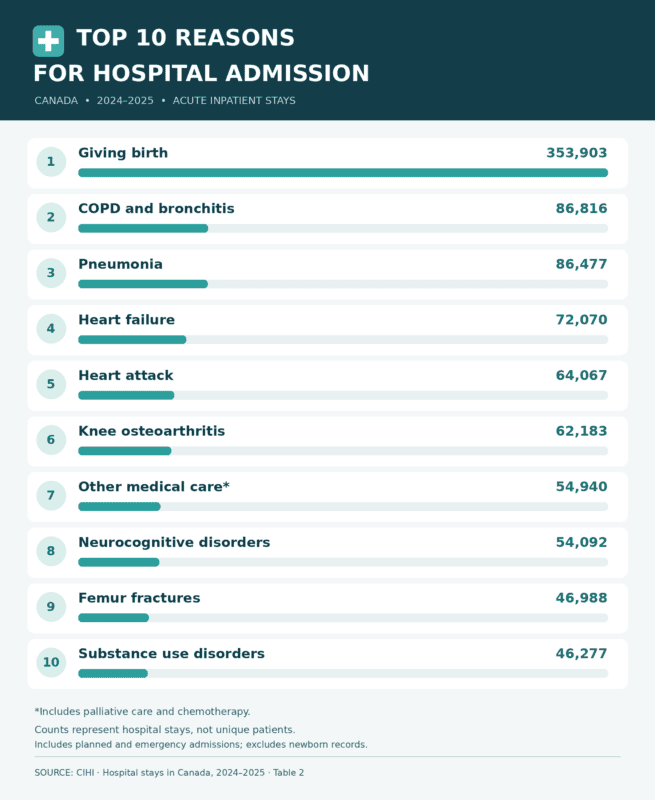
Canadian hospital data show that COPD and bronchitis, pneumonia, heart failure and heart attacks are among the leading reasons for admission. Among adults aged 65 and older, neurocognitive disorders, femur fractures, ischemic strokes and urinary conditions also feature in the top ten.[1]
These diagnoses have different causes and treatments. They also offer a reminder that heart health, brain health, mobility and respiratory health deserve attention well before an emergency.
Here are five areas where proactive care can help you identify priorities.
1. Heart and metabolic health: understand your risks before symptoms appear

High blood pressure, elevated cholesterol and type 2 diabetes can develop quietly. You may feel reasonably well while changes are occurring in your blood vessels.
Diabetes increases the risk of heart disease and stroke, particularly when other risk factors are also present. Protecting your health involves looking at blood sugar, blood pressure, cholesterol and smoking together.[2]
Do any of these apply to you?
- Elevated blood pressure, or infrequent blood pressure checks
- High blood sugar, A1c or cholesterol
- Smoking, or difficulty quitting
- Long periods spent sitting
- Difficulty maintaining regular, nourishing meals
- Abnormal test results without a clear follow-up plan

Family history, previous gestational diabetes and other aspects of your medical history also matter. They are reasons to assess your risk, even though they are not behaviours you can change.
An ND can help explain your results, develop realistic nutrition and movement strategies and follow your progress. When medication or further assessment is indicated, coordinating with your family physician or specialist is part of proactive care.
2. Brain health: the heart–brain connection matters
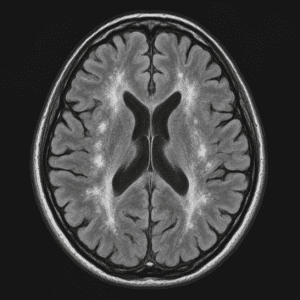
Our brains depend on healthy blood vessels. Diabetes, hypertension, smoking and abnormal cholesterol can contribute to vascular damage and increase the risk of stroke and vascular cognitive impairment. Vascular changes can also coexist with Alzheimer’s disease.[3]
Research links younger onset of type 2 diabetes with greater later dementia risk, reinforcing the importance of addressing metabolic health earlier in life.[4] This does not mean everyone with diabetes develops dementia, or that all dementia is caused by metabolic problems.
Do any of these apply to you?
- You have diabetes, hypertension or abnormal cholesterol.
- You smoke.
- Physical activity has become infrequent.
- You have difficulty following your existing treatment plan.
- You or your family have noticed changes in memory, thinking or daily functioning.
Cognitive changes warrant assessment rather than an assumption that they are simply aging. A history of stroke or TIA also calls for ongoing medical follow-up. A TIA is a warning of stroke risk; it is different from a small stroke that leaves permanent brain injury.[5]
The goal is comprehensive risk management. More aggressive blood sugar lowering has not consistently improved cognition in clinical trials, so care should be individualized rather than focused on achieving the lowest possible A1c.[6]
3. Strong bones and muscles: plan before the first fracture

Bone health deserves attention before a fall or fracture forces the conversation. Menopause-related estrogen decline can contribute to bone loss, while muscle strength and balance influence the likelihood of falling.
Canadian osteoporosis guidelines emphasize exercise, nutrition, fracture-risk assessment and appropriate treatment.[7]
Do any of these apply to you?
- You do little resistance or balance exercise.
- You struggle to get enough protein or calcium-rich foods.
- You smoke or drink alcohol excessively.
- You have fallen, feel unsteady or have noticed declining strength.
- You have fractured a bone after a relatively minor fall.
Early menopause, family history and certain medications are additional reasons to discuss bone health.
Support may include strength and balance training, reviewing nutrition, assessing whether bone-density testing is appropriate and arranging treatment when needed.

Systemic menopausal hormone therapy can prevent bone loss and reduce fractures in appropriately selected women. Canadian guidance includes it as an option for some women younger than 60 or within 10 years of menopause who also seek relief of substantial menopausal symptoms. It requires an individual benefits-and-risks discussion; other osteoporosis treatments may be more appropriate.[7,8]
4. Urinary health after menopause: repeated infections deserve a plan
Repeated urinary tract infections can be painful and disruptive. Lower estrogen levels after menopause can affect vaginal and urinary tissues, contributing to genitourinary symptoms and recurrent infections.
Do any of these apply to you?
- You have repeated UTIs.
- You have vaginal dryness, irritation or discomfort.
- You experience persistent urinary urgency or burning.
- You have been treated repeatedly but have no prevention plan.

These are signals to seek assessment, rather than lifestyle shortcomings.
For eligible peri- and postmenopausal women with recurrent UTIs, local vaginal estrogen is a recommended prevention option. It is different from systemic HRT, which has not been shown to reduce recurrent UTI risk.[9]
Symptoms need an accurate diagnosis. Vaginal estrogen is preventive care for appropriate patients; it does not replace treatment for an active infection.
5. Lung and respiratory health: reduce avoidable risks
Respiratory infections can become serious even in otherwise healthy people. Smoking and poorly controlled chronic lung disease are additional concerns worth addressing proactively.
Do any of these apply to you?
- You smoke or regularly breathe second-hand smoke.
- Asthma symptoms interrupt your sleep or daily activities.
- You increasingly rely on a rescue inhaler.
- You are regularly exposed to airway irritants.
- You have no clear plan for managing a respiratory flare-up.

An ND can help with smoking-cessation strategies, nutritional concerns and follow-through with an established respiratory care plan. Good asthma care also includes appropriate inhalers, trigger management and other naturopathic recommendations.[10]
Vitamin D deserves attention when intake is inadequate or deficiency is present and selected vitamins or herbal preparations may help certain cold symptoms, depending on the intervention and patient.

What does long-term naturopathic support look like?
Recognizing a risk factor is a starting point. The next step is deciding what to do with that information.
In my practice, that can mean taking time to explain a diagnosis, reviewing relevant results, choosing manageable changes and following up to see what is working. It also means recognizing when another provider, prescription treatment or further investigation is needed.
You may already know what you “should” do and still find it difficult to make those changes. Your plan needs to fit your responsibilities, resources and stage of life.
You do not need to have everything figured out before asking for support.
No care plan can guarantee that you will never need a hospital. But understanding your risks and acting on them can help you work toward better health, function and independence over time.
Modifiable Factors that Influence Chronic Disease
Naturopathic doctors often discuss the following areas when helping patients develop a long-term health plan. Some are daily habits or exposures; others are health concerns that require assessment, monitoring and coordinated treatment.
Nutrition and eating patterns

- Low vegetable and fruit intake
- Inadequate dietary fibre
- Frequent sugary drinks
- Excess sodium
- High saturated-fat intake
- Frequent reliance on highly processed foods
- Inadequate protein intake
- Low intake of calcium-rich foods
- Nutrient deficiencies
- Inadequate hydration
- Irregular eating patterns that make nutritional needs difficult to meet
- Restrictive diets without appropriate nutritional planning
- Emotional eating or difficulty responding to hunger and fullness
- Food insecurity or other barriers to nourishing meals
Physical activity, strength and mobility

- Low overall physical activity
- Long periods of uninterrupted sitting
- Little cardiovascular exercise
- Little resistance training
- Limited balance training
- Declining muscle strength
- Reduced mobility that limits daily activity
- Fear of falling or movement
- Pain that prevents regular activity
- Lack of an achievable exercise plan
Cardiovascular and metabolic health

- Elevated blood pressure
- Elevated LDL cholesterol
- Elevated triglycerides
- Prediabetes or elevated blood glucose
- Diabetes that is not adequately managed
- Excess abdominal adiposity
- Weight changes that affect health or function
- Untreated sleep apnea
- Inconsistent monitoring of known risk factors
- Difficulty following prescribed treatment
Sleep and recovery

- Insufficient sleep
- Irregular sleep schedules
- Persistent insomnia
- Sleep disrupted by pain, reflux or menopausal symptoms
- Untreated snoring or suspected sleep apnea
- Alcohol or caffeine interfering with sleep
- Work schedules or caregiving demands that limit rest
Smoking, alcohol and other substances

- Tobacco smoking
- Second-hand smoke exposure
- Nicotine dependence
- Vaping and other inhaled irritant exposure
- Excess alcohol consumption
- Binge drinking
- Substance use that affects health, sleep or daily functioning
- Difficulty accessing cessation or addiction support
Psychological and social health

- Persistent stress without adequate support
- Untreated depression or anxiety
- Social isolation
- Loneliness
- Limited practical or emotional support
- Caregiver strain
- Work-related burnout
- Relationship stress
- Coping patterns that interfere with sleep, nutrition or treatment
- Barriers to accessing psychotherapy or other mental health care
Bone health and fall prevention

- Low muscle strength
- Inadequate calcium intake
- Vitamin D deficiency
- Inadequate nutrition or low body weight
- Smoking
- Excess alcohol
- Untreated osteoporosis
- Unaddressed balance difficulties
- Home hazards that increase fall risk
- Vision problems that affect safe mobility
- Medications contributing to dizziness or falls, requiring prescriber review
Respiratory and environmental health

- Poorly controlled asthma
- Incorrect inhaler technique
- Inconsistent use of prescribed controller medication
- Ongoing exposure to smoke, dust or chemical irritants
- Dampness or mold exposure
- Occupational exposures without adequate protection
- Poor indoor ventilation
- Lack of a respiratory flare-up plan
Preventive care and ongoing follow-up

- Delayed assessment of persistent symptoms
- Missed age- and risk-appropriate screening
- Untreated hearing or vision loss
- Poor oral health or limited access to dental care
- Medication or supplement interactions
- Difficulty taking medications as prescribed
- Abnormal test results without follow-up
- Lack of clear treatment goals
- Limited understanding of a diagnosis or care plan
- Cost, transportation, language or accessibility barriers to care
Start with the health you want to protect
If you recognize yourself in these lists, consider it an invitation to begin a conversation. Together, we can identify what needs assessment and which changes could help. From there, we can build a practical plan with the support you need to maintain it.
At Hudson Integrative Healthcare, our naturopathic doctors offer in-person and virtual appointments to help you understand your concerns and develop an individualized care plan.
Visit www.hihealthcare.ca or call 905-662-0045. Our friendly reception team is available Monday to Friday, 8 a.m.–8 p.m., to help coordinate appointments.
Hudson Integrative Healthcare
7 King Street East, Stoney Creek, Ontario
This article is for general education. Sudden chest pain, stroke symptoms or significant breathing difficulty require emergency assessment. Suspected TIA symptoms require urgent assessment even if they resolve.

References
- Canadian Institute for Health Information. Hospital stays in Canada, 2024–2025, Tables 2 and 3.
- NIDDK. Diabetes, Heart Disease, & Stroke.
- NINDS. Dementia.
- National Institute on Aging. Study links younger age of onset of type 2 diabetes to increased risk of dementia.
- NINDS. Stroke Overview.
- American Diabetes Association. Comprehensive Medical Evaluation and Assessment of Comorbidities: Standards of Care in Diabetes—2026.
- Osteoporosis Canada. Clinical practice guideline for management of osteoporosis and fracture prevention in Canada: 2023 update.
- The North American Menopause Society. The 2022 hormone therapy position statement.
- AUA/CUA/SUFU. Recurrent Uncomplicated Urinary Tract Infections in Women: Guideline, amended 2025.
- GINA. Summary Guide for Asthma Management and Prevention, 2025.
- Jolliffe et al. Vitamin D supplementation to prevent acute respiratory infections: systematic review and meta-analysis, 2025.
- NCCIH. Travel-Related Ailments and Complementary Health Approaches: What the Science Says.