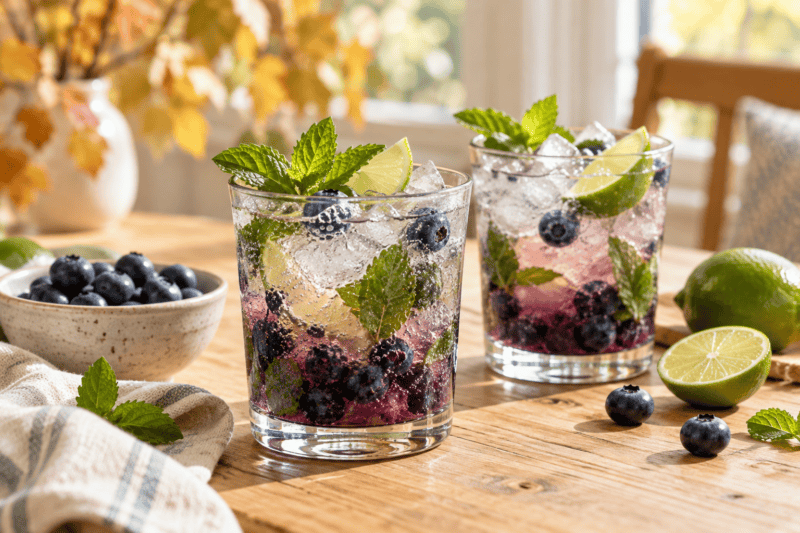
Sober October & Dry January: Rethinking Your Relationship with Alcohol
Written by Dr. Ceilidh Flanagan, ND
Edited for Hudson Integrative Healthcare
A month without alcohol can help you learn more about your habits and your health.
Whether you are trying Sober October, planning Dry January or simply curious about drinking less, a break can offer useful insight.
Alcohol often accompanies dinners, celebrations, vacations and weekends. As a result, drinking can become a habit we rarely question.
You do not need to have an alcohol-use disorder to reconsider that habit. Instead, an alcohol-free month can create space to notice how drinking fits into your life.
What Could You Notice When You Drink Less?
A break gives you a chance to pay attention to your sleep, energy and daily routines. For example, you might notice that mornings feel easier or that your evening habits change.
Consider tracking:
- Sleep quality and morning energy.
- Mood and stress levels.
- Focus during work or daily tasks.
- The situations that prompt you to reach for a drink.
- How much time and money you spend on alcohol.
However, everyone’s experience is different. You may notice changes quickly, gradually or hardly at all. Persistent fatigue, poor sleep or mood concerns still deserve assessment.
What Does Canadian Alcohol Guidance Say?
In 2023, the Canadian Centre on Substance Use and Addiction released Canada’s Guidance on Alcohol and Health. Its central message is simple: less alcohol means less risk.
The guidance describes a range of risk based on weekly intake:
- No alcohol: avoids alcohol-related health risks.
- One or two standard drinks per week: a low level of risk, though not risk-free.
- Three to six standard drinks per week: moderate risk, including increased risk of certain cancers.
- Seven or more standard drinks per week: increasingly high risk, including heart disease and stroke.
Also, having more than two standard drinks on one occasion increases the risk of injury and other harms. These categories describe overall risk; they do not predict exactly what will happen to an individual.
For more detail, read Canada’s Guidance on Alcohol and Health.
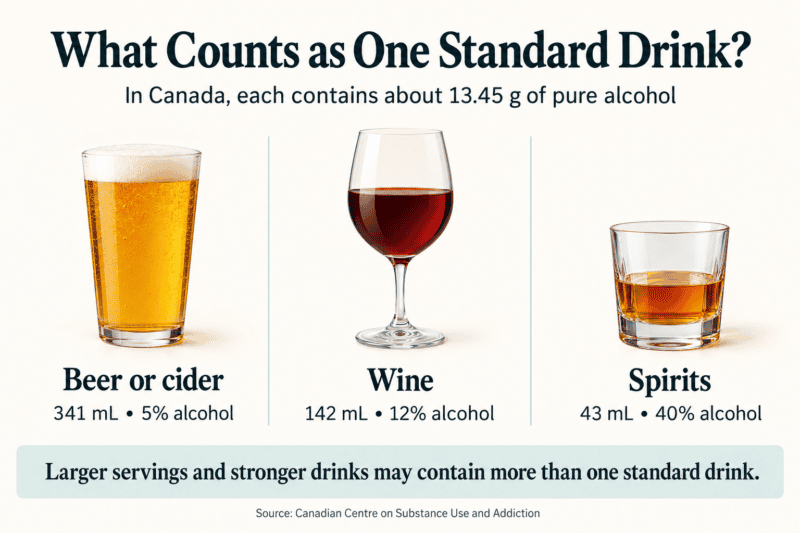
What Counts as One Standard Drink?
A standard drink in Canada is approximately:
- 341 mL of beer or cider at 5% alcohol.
- 142 mL of wine at 12% alcohol.
- 43 mL of spirits at 40% alcohol.
Therefore, a large glass of wine or a strong beer may contain more than one standard drink. Checking the serving size and alcohol percentage makes tracking more accurate.
Before You Start: When to Get Medical Advice
If you drink heavily or regularly, have had withdrawal before, or feel shaky, sweaty or unwell when you delay a drink, seek medical advice before stopping.
Alcohol withdrawal can be dangerous and may require medical treatment. An alcohol-free challenge should begin with a safe plan if dependence is possible.
Seizures, hallucinations or severe confusion require emergency care. Call 911.
Three Ways to Make an Alcohol-Free Month Easier
1. Replace the Ritual
For many people, the routine matters as much as the drink. Perhaps wine marks the end of work, or a beer accompanies cooking dinner.
First, identify what that moment gives you: relaxation, connection or a change of pace. Then, choose a replacement that meets the same need.
Try sparkling water with lime, a favourite tea or a mocktail. Alternatively, take a short walk or call a friend before settling into your evening.
2. Plan for Social Events
Before an event, decide what you will drink. Bringing an option you enjoy can make the choice easier.
A simple response is enough: “I’m taking a break this month.” You do not owe anyone a detailed explanation.
Also, consider suggesting activities where drinking is less central, such as a morning walk, coffee date or fitness class.
3. Treat the Month as an Experiment
Rather than focusing only on completing the challenge, notice what you learn along the way.
Ask yourself:
- How rested do I feel in the morning?
- Does my mood change throughout the week?
- When is the urge to drink strongest?
- Which situations make drinking feel automatic?
- What helps me unwind without alcohol?
If you drink during the month, use that experience as information. Reflect on what happened and decide on your next step.

Make a Plan Beyond October or January
An alcohol-free month can be a starting point. However, your longer-term habits matter more than completing a single challenge.
At the end, review what felt useful and what was difficult. Then, choose a realistic goal, such as more alcohol-free days or a lower weekly intake.
Keeping appealing alternatives at home can help. Likewise, sharing your goal with a supportive friend may make it easier to maintain.
If you resume drinking, track standard drinks rather than counting glasses. Water can help with hydration, but it does not cancel alcohol’s effects or make driving safe.
Try a Virgin Blueberry Mojito
For a simple alcohol-free option, try this refreshing blueberry and mint drink.
Ingredients
Makes two mocktails
- ½ cup blueberries.
- 1 lime, cut into wedges.
- 10 fresh mint leaves.
- 2 teaspoons honey or maple syrup, optional.
- 355 mL club soda or sparkling water.
- Ice.
Instructions
- Divide the blueberries and lime wedges between two glasses.
- Add four mint leaves and one teaspoon of sweetener to each glass.
- Gently muddle to release the juice and mint flavour.
- Add ice, then divide the sparkling water between the glasses.
- Stir and garnish with the remaining mint leaves.
Adjust the lime or sweetness to taste. For convenience, prepare the fruit mixture ahead and add sparkling water just before serving.
How Can Naturopathic Care Support Your Goals?
At Hudson Integrative Healthcare, a conversation about alcohol can be part of a broader health assessment.
For example, your naturopathic doctor can explore your sleep, nutrition, stress and routines alongside your drinking habits. Together, you can identify practical changes and arrange further assessment when needed.
Support may include:
- Setting realistic goals and reviewing progress.
- Building routines that support sleep and stress management.
- Assessing nutrition concerns.
- Reviewing health conditions and medications that affect alcohol-related risk.
- Connecting you with your family doctor or addiction services when appropriate.
Reducing alcohol use can take more than willpower. If cutting back feels difficult, additional counselling or medical treatment may help.
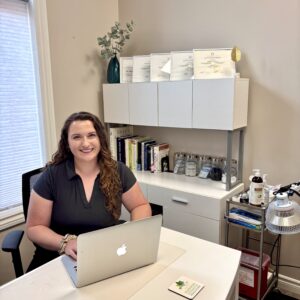
To get started, visit Dr. Ceilidh Flanagan’s online booking page to book an initial consultation in-clinic or by telemedicine video. If you prefer an in-clinic appointment, our reception team can help you book with another naturopathic doctor at Hudson Integrative Healthcare.
Additional Support in Ontario
ConnexOntario provides free, confidential information about mental health and addiction services, 24 hours a day.
Call 1-866-531-2600 or text CONNEX to 247247.
Whether your goal is an alcohol-free month or a lasting change, you deserve support that respects your circumstances.
Book a Conversation With HIH
If you would like to explore how alcohol fits into your health goals, our team can help you take the next step.
Hudson Integrative Healthcare
7 King Street East, Stoney Creek, Ontario
www.hihealthcare.ca
905-662-0045
Our friendly reception team is available Monday to Friday, 8 a.m. to 8 p.m. Contact us to arrange a naturopathic appointment. HIH offers in-person and virtual care options Ontario-wide.
This article is intended for general educational purposes and does not replace individualized medical assessment or treatment.