Ovarian Pain During Ovulation: What Does It Mean?
Written by Dr. Melanie Hudson, ND
Edited for Hudson Integrative Healthcare
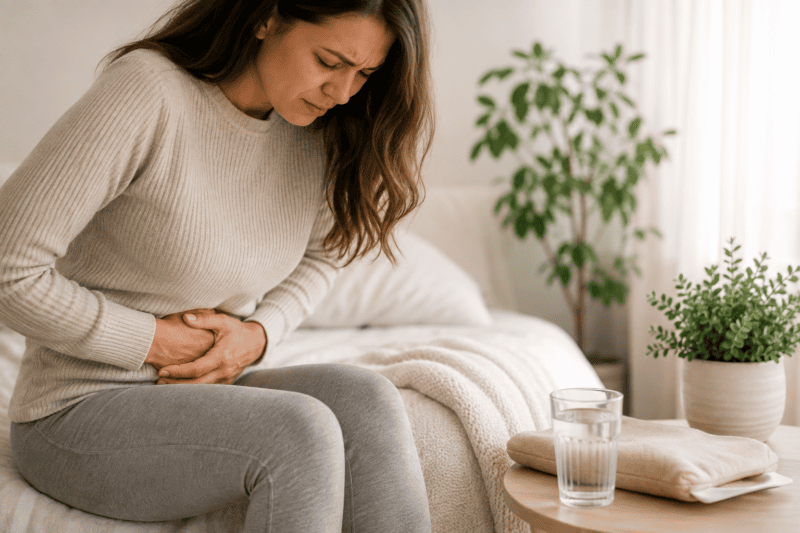
A sudden ache, pressure or sharp pain on one side of the lower abdomen can be unsettling — especially when it happens at approximately the same point in your menstrual cycle every month.
For some women, this is simply ovulation pain, also known as mittelschmerz. However, recurring or significant ovarian-area pain can sometimes warrant a closer look.
As a naturopathic doctor, this is also something I have experienced personally.
I vaguely remember mild ovarian-area discomfort before my first pregnancy, although it wasn’t significant enough that I clearly remember the pattern.
What I do remember clearly was my first painful ovulation after having my first baby. My menstrual cycle returned approximately three months postpartum, and the pain around ovulation was dramatically different from anything I remembered before pregnancy. It was severe enough that I needed pain medication.
Having recently undergone a Caesarean section, I brought it up with my family doctor. I wondered whether ovarian cysts, endometriosis, postoperative adhesions or other changes following pregnancy and abdominal surgery could be contributing.
I’ve since gone through three pregnancies and three postpartum periods, and the same recognizable symptom continues: one predictable day of ovarian-area pain during my cycle.
So, what can pain around ovulation actually signify?
What Is Ovulation Pain?
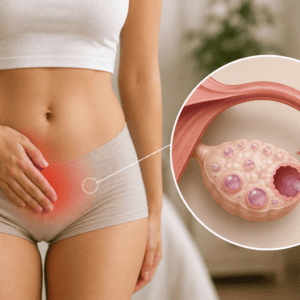
Ovulation occurs when a mature ovarian follicle ruptures and releases an egg.
Some women can actually feel this process.
The medical term for ovulation pain is mittelschmerz, or “middle pain.” It usually occurs around the middle portion of the menstrual cycle — or, more accurately, approximately 14 days before the next menstrual period, although ovulation timing varies.
Ovulation pain commonly:
- Occurs on one side of the lower abdomen or pelvis
- Feels like aching, pressure, cramping or a sudden sharp pain
- Lasts from minutes to several hours, occasionally longer
- May alternate sides between cycles
- Sometimes occurs with light spotting or increased vaginal discharge
For many women, mittelschmerz is harmless.
The growing follicle may stretch the surface of the ovary before ovulation. Then, when the follicle ruptures, a small amount of follicular fluid or blood may irritate the surrounding tissues.
However, timing alone doesn’t prove that ovulation itself is the only source of the pain.
What Else Can Cause Pain Around Ovulation?
Several conditions can resemble or potentially amplify ordinary ovulation pain.
Ovarian Cysts
Ovarian cysts are common during the reproductive years, and some develop as part of the normal menstrual cycle.
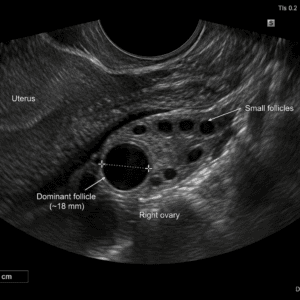
A follicular cyst can occur when a follicle doesn’t rupture normally. A corpus luteum cyst can develop after ovulation.
Many functional ovarian cysts cause no symptoms and disappear on their own. However, they can sometimes cause one-sided pelvic pain, pressure, fullness or sudden sharper discomfort.
A pelvic or transvaginal ultrasound may be recommended when symptoms warrant investigating the ovaries more closely.
Endometriosis
Endometriosis occurs when tissue similar to the lining of the uterus grows elsewhere in the body, most commonly within the pelvis.
Symptoms can include:
- Painful periods
- Chronic pelvic pain
- Pain during intercourse
- Bowel or bladder symptoms associated with menstruation
- Difficulty conceiving
Endometriosis can also involve the ovaries and form cysts called endometriomas.
Importantly, endometriosis doesn’t always appear on a routine ultrasound. Persistent or significant symptoms may therefore warrant further assessment even when initial imaging is normal.
Adhesions After Abdominal or Pelvic Surgery
This was one of my own questions after my first C-section.
Adhesions are bands of scar tissue that can develop after abdominal or pelvic surgery. They can cause structures that would normally move freely against one another to become connected.
Previous surgery, including Caesarean delivery, can therefore be relevant when evaluating new or changing pelvic pain.
However, developing ovulation pain after a C-section does not prove that adhesions are responsible. It is simply one part of the medical history worth considering.
Pelvic Floor and Musculoskeletal Pain
Not everything that feels like “ovary pain” necessarily originates from an ovary.
The pelvic floor, abdominal wall, hips, low back and surrounding connective tissues can all refer pain into the pelvic region.
Pregnancy, delivery and abdominal surgery can also change how these structures function. In some cases, assessment by a pelvic floor physiotherapist may therefore be an important part of care.
Can Pregnancy or Childbirth Change How Ovulation Feels?
Pregnancy itself doesn’t necessarily mean that future ovulations should become painful.
However, an enormous amount changes through pregnancy, delivery and postpartum recovery.
The ovaries resume cycling after a period of relative inactivity. Meanwhile, the uterus and surrounding tissues have undergone substantial physical changes. There may also have been abdominal or pelvic surgery, changes to the abdominal wall and changes in pelvic floor function.
Therefore, a distinctly new postpartum pain pattern is worth documenting rather than automatically assuming it is “just hormones.”
In my own case, the consistency of the pattern has been particularly interesting. After three pregnancies, I continue to experience a recognizable one-day episode at approximately the same stage of each ovulatory cycle.
That timing suggests a relationship with ovulation, but timing alone cannot tell us why ovulation is painful.
How Can a Naturopathic Doctor Help With Ovulation and Pelvic Pain?
This is an area where naturopathic care can complement investigation through your family doctor, nurse practitioner, gynecologist and other healthcare providers.
Rather than looking only at the painful day, a naturopathic doctor can step back and look at the entire menstrual cycle and the other symptoms occurring alongside it.
1. Detailed Menstrual-Cycle Tracking
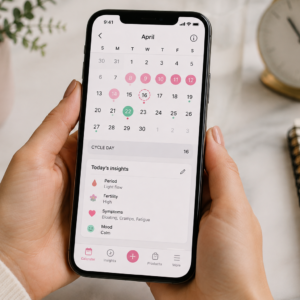
One of the first questions is whether the pain truly corresponds with ovulation.
We may ask you to track:
- Menstrual dates
- The exact day the pain occurs
- Which side hurts
- Pain severity and duration
- Cervical mucus changes
- Ovulation predictor kit results
- Basal body temperature, when appropriate
- Spotting or abnormal bleeding
- PMS symptoms
- Painful periods
- Pain during intercourse
- Bowel or bladder symptoms
Several months of tracking can reveal patterns that are surprisingly difficult to recognize from memory alone.
If pain repeatedly occurs during the fertile window and approximately two weeks before the next menstrual period, that provides useful evidence that the symptom is associated with ovulation.
2. Looking at the Broader Hormonal Picture
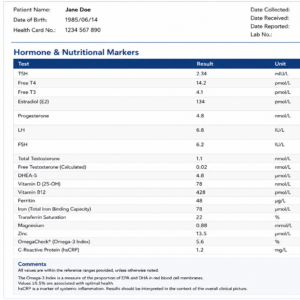
Depending on your symptoms and health history, your naturopathic doctor may consider whether hormonal testing would provide useful information.
Bloodwork may include:
- Estradiol
- Progesterone
- LH and FSH
- Prolactin
- TSH and additional thyroid testing when indicated
- Other laboratory testing based on your individual presentation
There isn’t one blood test that diagnoses “painful ovulation.”
Instead, testing is selected based on the broader picture. Irregular cycles, abnormal bleeding, fertility concerns, significant PMS or other hormonal symptoms may change which investigations are useful.
Timing matters too. Some reproductive hormones need to be measured during particular portions of the menstrual cycle for the results to be meaningful.
3. Looking Beyond Reproductive Hormones
Pelvic pain doesn’t always exist in isolation.
Depending on the presentation, a naturopathic doctor may also consider factors such as:
- Iron and nutrient status
- Blood sugar regulation
- Thyroid function
- Digestive and bowel symptoms
- Inflammatory symptoms
- Nutrition
- Sleep and stress
- Exercise and movement
This broader assessment can be particularly useful when someone is experiencing a cluster of symptoms rather than one isolated painful day each month.
4. Supporting Painful or Difficult Cycles
Once more concerning causes have been appropriately investigated, naturopathic treatment can focus on improving the overall menstrual experience.
Treatment depends on why we think the pain is occurring and what else is happening throughout the cycle. There isn’t one supplement or treatment that is appropriate for every woman with ovulation pain.
Depending on the individual, a naturopathic treatment plan may include:
- Magnesium: Magnesium plays a role in normal muscle and nerve function and may be considered when cramping or menstrual discomfort is part of the overall picture.
- Omega-3 fatty acids: These may be incorporated into an anti-inflammatory approach, particularly when painful periods or other inflammatory symptoms occur alongside ovulation pain.
- Nutrition: An individualized nutrition plan may emphasize adequate protein, fibre, healthy fats and a variety of colourful plant foods while addressing dietary patterns that appear to aggravate digestive or inflammatory symptoms.
- Botanical medicine: Certain herbs may be considered for menstrual pain, PMS or other cyclical symptoms. The appropriate choice depends on the individual’s symptoms, medications, health history and menstrual pattern.
- Lifestyle factors: Sleep, regular movement, stress management, bowel regularity and appropriate exercise can all be relevant when looking at menstrual and hormonal health as a whole.
- Heat and comfort measures: Something as simple as a heating pad can sometimes provide meaningful relief during a predictable painful day.
Sometimes treatment focuses on another issue identified during the assessment — such as significant PMS, painful menstruation, irregular ovulation, digestive symptoms or thyroid dysfunction — rather than treating “ovulation pain” as an isolated condition.
Importantly, supplements and herbs aren’t a substitute for investigating unexplained pelvic pain.
The goal is to determine what needs medical investigation, what patterns we can identify and what modifiable factors may be contributing to the overall symptom picture.
5. Knowing When to Refer
Sometimes the most important thing your naturopathic doctor can do is recognize that further investigation is needed.
For example, we may recommend discussing a pelvic or transvaginal ultrasound with your primary care provider or seeking gynecological assessment when symptoms suggest that ovarian cysts, endometriosis or another structural condition should be considered.
We may also recommend another type of practitioner when appropriate.
Pelvic floor physiotherapy, for example, can be particularly relevant when there is a history of pregnancy, delivery, Caesarean section, pain with intercourse, pelvic floor symptoms or suspected musculoskeletal involvement.
Collaborative care is especially valuable with pelvic pain because hormonal, gynecological, gastrointestinal and musculoskeletal factors can overlap.

When Should Ovulation Pain Be Investigated?
Mild, brief and predictable mittelschmerz can be a normal feature of an ovulatory menstrual cycle.
However, speak with a healthcare provider when pelvic pain is:
- New or significantly different from your usual cycle
- Becoming progressively worse
- Severe enough to interfere with normal activities
- Requiring significant pain medication
- Lasting longer than expected
- Occurring at other points in your cycle
- Associated with increasingly painful periods
- Accompanied by unusual bleeding, pain during intercourse or bowel or bladder symptoms
When Is Pelvic Pain an Emergency?
Seek prompt medical attention for sudden or severe pelvic pain, particularly when accompanied by:
- Nausea or vomiting
- Fever
- Fainting, significant weakness or lightheadedness
- Heavy or unusual bleeding
- Pain that doesn’t resolve
- The possibility of pregnancy
Conditions such as ovarian torsion, a ruptured or bleeding ovarian cyst and ectopic pregnancy can cause acute pelvic pain and require medical assessment.
The Bottom Line
Feeling pain in the area of one ovary around the time of ovulation doesn’t automatically mean something is wrong.
For some women, the explanation really is normal follicle development and egg release.
However, “ovulation pain” tells us when the pain occurs. It doesn’t necessarily tell us why it hurts.
Ovarian cysts, endometriosis, adhesions, pelvic floor dysfunction and other gynecological or musculoskeletal conditions may sometimes need to be considered.
A naturopathic doctor can help you document the pattern, look at the rest of your menstrual and hormonal picture, determine whether laboratory testing may be useful, provide individualized support for more comfortable menstrual cycles, and recognize when imaging or assessment through your family doctor or gynecologist should be the next step.
Looking for Support With Ovulation Pain or Menstrual Concerns?
At Hudson Integrative Healthcare, our naturopathic doctors work with women experiencing painful cycles, PMS, irregular periods, hormonal symptoms and other reproductive health concerns.
We can help you understand your menstrual patterns, determine which laboratory testing may be appropriate, develop an individualized treatment plan and coordinate additional medical investigation or referrals when needed.
Naturopathic doctor appointments are available in person at Hudson Integrative Healthcare, 7 King St. East in Stoney Creek, Ontario, as well as by telemedicine throughout Ontario.
This article is for educational purposes only and is not intended to diagnose or treat pelvic pain. New, severe or persistent pelvic or abdominal pain should be medically assessed.
Book Online